Damp, mould & waterproofing specialists
West of Scotland 07449 042373 WhatsApp
Specialist service

Damp Proofing

Damp rarely improves by covering the visible symptoms. We assess the likely moisture route, explain the options clearly and carry out the remedial work needed to protect the fabric of the property.

Cause-led diagnosisClear remedial scopeGuaranteed work
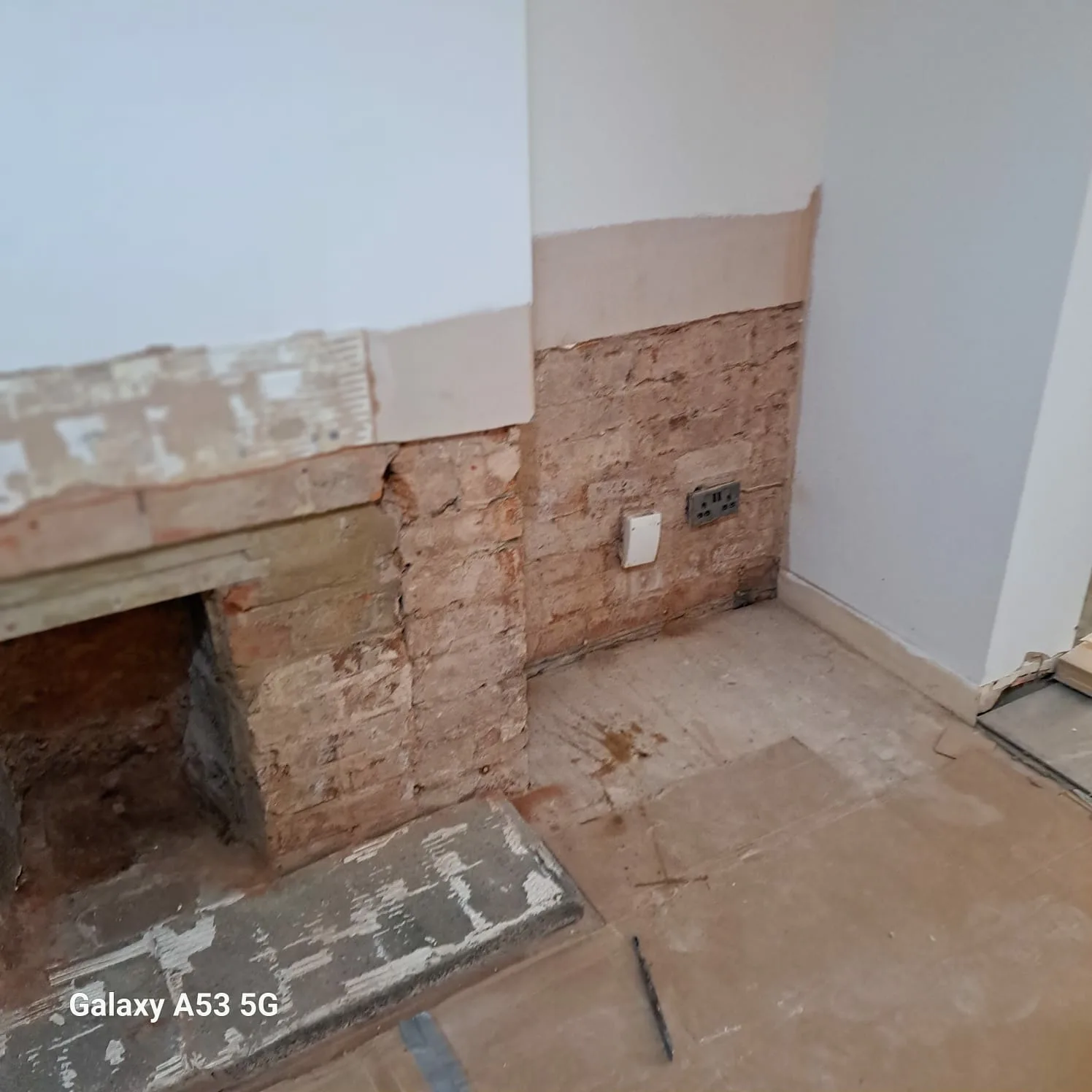
Damp Proofing work by TM Property Expert
TM Property Expert West of Scotland
What we can help with

A solution built around the property.

Diagnose and treat rising, penetrating and persistent damp at the source.

  • Rising damp investigation and treatment
  • Penetrating damp repairs
  • Damp proof courses and membranes
  • Plaster removal and reinstatement
  • External defects and water ingress

Why diagnosis matters

Visible damp or mould does not automatically tell you the underlying cause. Moisture can enter from the ground, through external defects, from leaks, or build up internally through condensation.

Our approach is to inspect the clues, explain what is most likely happening and scope the remedial work accordingly.

Common questions

Damp Proofing FAQs

Clear answers to the questions we are most often asked before a survey or remedial project.

Still unsure? Book a free survey
01 How do I know if I have rising damp or condensation?

The pattern usually gives clues, but it is easy to misdiagnose from appearance alone. Rising damp tends to affect lower sections of walls and can be associated with salts or damaged plaster, while condensation commonly appears on colder surfaces, windows and corners. A survey helps identify the moisture source before treatment is specified.

02 Does damp proofing always mean installing a new damp proof course?

No. A failed or bridged damp proof course is only one possible cause. High external ground levels, leaking gutters, defective render, plumbing leaks, penetrating rain and condensation can all create damp symptoms. The repair should match the cause rather than defaulting to one treatment.

03 Will damaged plaster need to be removed?

Sometimes. Plaster that is badly damaged or contaminated with hygroscopic salts may need to be removed and reinstated as part of the remedial specification. The extent depends on the wall condition and the moisture history.

04 Can you deal with penetrating damp as well as rising damp?

Yes. Where moisture is entering through the building fabric, the work can include identifying and repairing external defects such as failed pointing, render, roofline details, gutters or other water-entry points before internal finishes are reinstated.

Where we work

Serving the West of Scotland.

Explore local coverage and service information for your area.

WhatsApp