Damp, mould & waterproofing specialists
West of Scotland 07449 042373 WhatsApp
Specialist service

Basement & Cellar Waterproofing

Basements and cellars need a joined-up approach to water management. We assess water ingress and deliver tanking, membrane and associated remedial works to create a more usable, protected space.

Cause-led diagnosisClear remedial scopeGuaranteed work
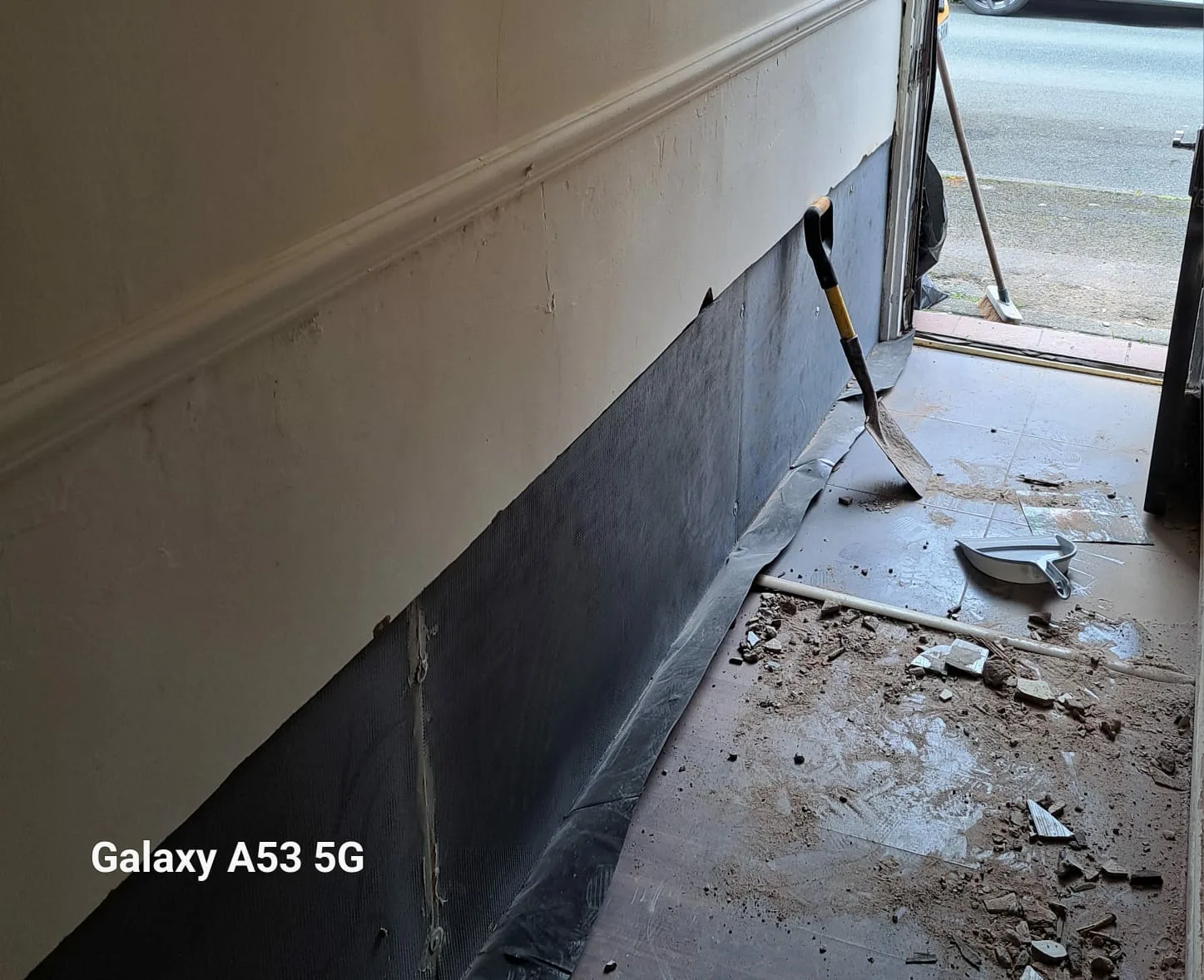
Basement & Cellar Waterproofing work by TM Property Expert
TM Property Expert West of Scotland
What we can help with

A solution built around the property.

Protect below-ground spaces with systems selected for the building and moisture load.

  • Basement and cellar tanking
  • Cavity drain membrane systems
  • Water ingress investigation
  • Wall and floor waterproofing
  • Reinstatement after waterproofing

Why diagnosis matters

Visible damp or mould does not automatically tell you the underlying cause. Moisture can enter from the ground, through external defects, from leaks, or build up internally through condensation.

Our approach is to inspect the clues, explain what is most likely happening and scope the remedial work accordingly.

Common questions

Basement & Cellar Waterproofing FAQs

Clear answers to the questions we are most often asked before a survey or remedial project.

Still unsure? Book a free survey
01 What is the difference between tanking and a cavity drain membrane?

Tanking aims to resist moisture passing through the structure, while a cavity drain membrane creates a controlled space that manages water behind the finished surface. The right approach depends on the construction, water pressure, drainage and intended use of the space.

02 Can a damp cellar be made into a usable room?

Often, yes, but the feasibility depends on the building, floor levels, drainage, ventilation and the amount of water pressure involved. A survey is needed before deciding on a waterproofing system and any associated building work.

03 Does basement waterproofing include the floor as well as the walls?

It can. Successful below-ground waterproofing often depends on treating the wall-floor junction and considering the floor construction as part of the same system rather than looking at the walls in isolation.

04 What happens if water is still entering from outside?

The external source should be considered wherever practical, but below-ground waterproofing systems are often designed to resist or manage moisture that cannot be completely eliminated externally. The specification depends on the site conditions.

Where we work

Serving the West of Scotland.

Explore local coverage and service information for your area.

WhatsApp